

Back Focus Lens Repair & Calibration USA
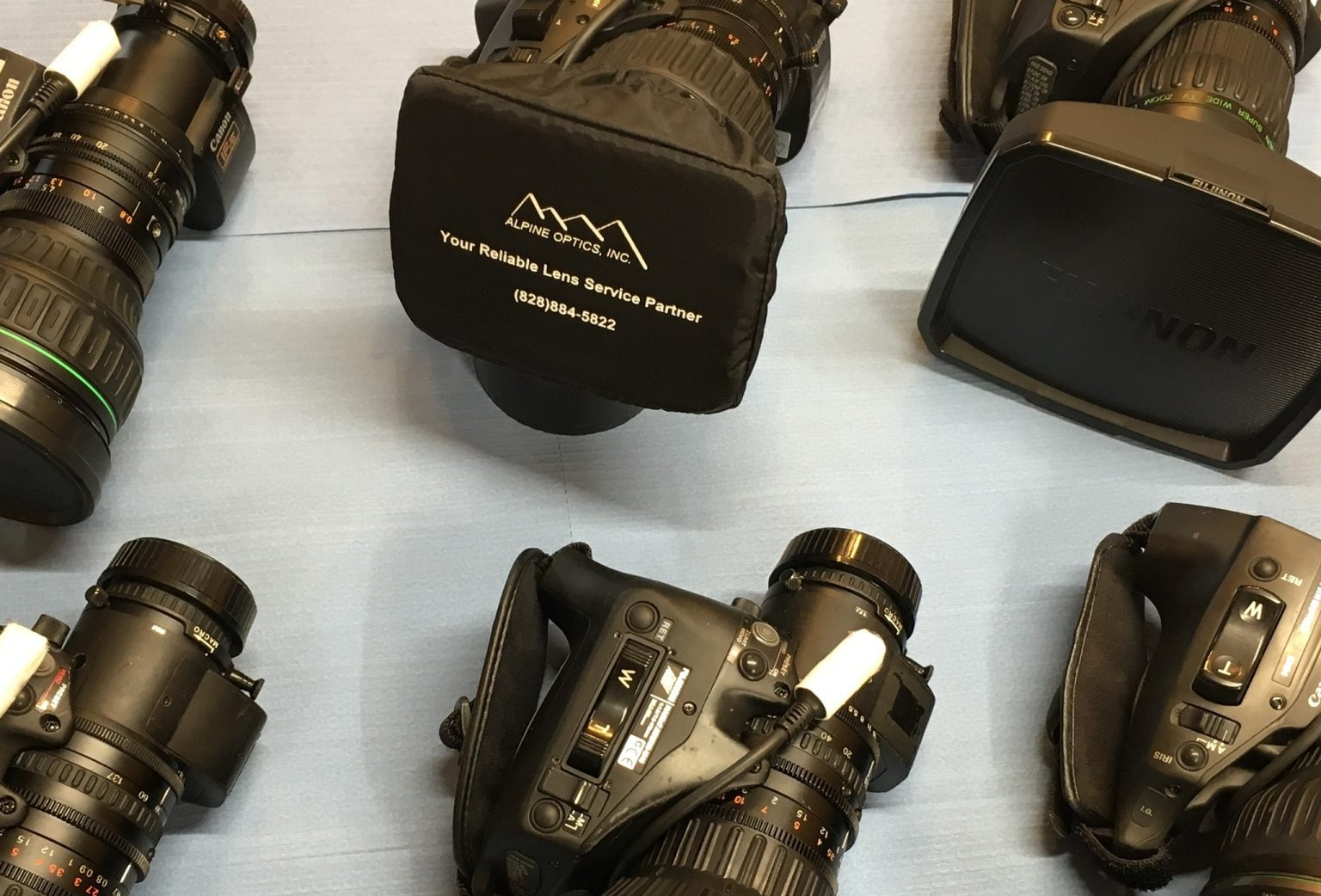
What Is Back Focus — and Why Does It Drift?
When back focus is out of adjustment, images may appear soft or focus may shift during zooming. This can make it difficult for operators to maintain consistent focus throughout a shot.
Back focus can change because of factors such as impact, mount wear, extensive field use, temperature changes, or lens mount service or replacement. Proper evaluation and calibration can help restore the lens to the appropriate operating condition.
Alpine Optics provides back focus adjustment and calibration for supported professional broadcast and production lenses
Signs Your Lens Needs Back Focus Repair
Sharp at Wide, Soft at Tele
The clearest sign of back focus drift — the lens appears sharp when zoomed wide but soft at telephoto, even when focus is set correctly.
Focus Shifts During Zoom
Focus that appears correct when zoomed in to set, but drifts when zooming back out — classic zoom tracking and back focus drift.
Correct Ring, Soft Image
The focus ring reads the correct distance, but the image is soft on the monitor. The actual focal plane is in the wrong position.
After a Drop or Impact
Any impact to a lens or camera can shift the flange focal distance — always recalibrate back focus after a drop or significant impact.
After Mount Replacement
Changing or replacing a lens mount changes the mechanical flange distance. Back focus recalibration is essential after any mount work.
Gradual Soft Focus Onset
Back focus can drift gradually over years of use — if a lens that was once sharp has slowly become inconsistent, back focus is the likely culprit.
How We Calibrate Back Focus
Back focus calibration is a precision process — not a quick external adjustment. Here’s what’s involved:
Measurement
We measure the current flange focal distance against the manufacturer’s specification using precision gauges and collimation equipment.
Mechanical Adjustment
The mount position is adjusted — using shims, adjustment screws, or mount repositioning — to set the correct flange focal distance.
Optical Verification
We verify the correction optically using calibrated test charts and collimation — not just mechanically — to ensure true image sharpness at the sensor plane.
Zoom Tracking Check
For zoom lenses, we verify focus holds through the full zoom range after back focus adjustment — a critical step often omitted by less experienced technicians.
Lock & Document
The adjustment is locked and sealed. A written calibration report is produced documenting the pre- and post-calibration state and test results.
Back Focus Repair — Frequently Asked Questions
Everything you need to know about our back focus repair service.
Back focus (flange focal distance) is the precise distance between the lens mount flange and the camera's image sensor or imager plane. When correctly set, the lens achieves accurate, sharp focus at the correct plane — critical for zoom lenses to hold focus through the zoom range.
Common causes include impact or drop damage, lens mount wear, mount replacement, extended field use over time, and temperature cycling in outdoor environments. Even small shifts produce visible softness.
Classic signs: sharp at wide angle but soft at telephoto; focus that shifts when zooming; images that appear correctly focused on the ring but soft on the monitor. A back focus test chart will confirm it definitively.
Back focus calibration is handled case by case, with turnaround depending on the specific requirements of the lens. When no additional parts or repairs are needed, service may be completed within approximately 5–10 business days with advance notice of the required completion date.
Yes. Every back focus calibration comes with a written report documenting the pre- and post-calibration measurements and optical test results.
Most broadcast zoom lenses have a flange-back (back focus) adjustment ring near the lens mount for minor field adjustments. If the lens still won't track focus through the zoom range, or needs internal flange adjustment, shim changes, or re-locking, it requires workshop tooling and should be serviced by a qualified lens technician.
GET IN TOUCH
2260 Hendersonville Hwy, Pisgah Forest, NC. 28768
828-884-5822
Mon - Fri : 10.00am - 05.00pm